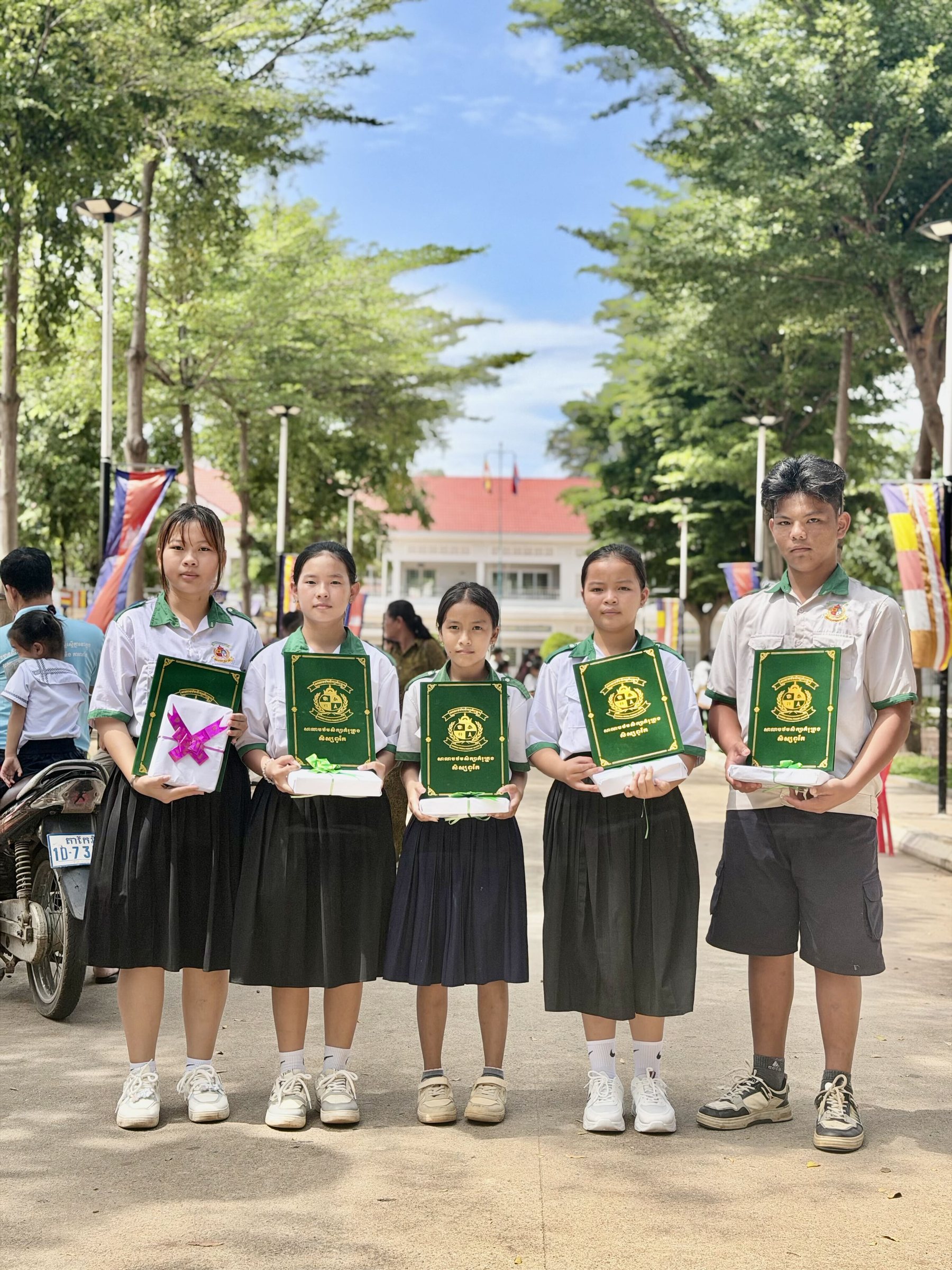
There is a stretch of water in Kampong Chhnang where the houses float and the mornings start before the sun does. Children wake to the sound of boats knocking gently against wood. By six, many of them are already working — cleaning fish, hauling water, minding a younger brother or sister.
They are bright. They are endlessly curious. They ask the kind of questions that deserve a classroom.
But for children born without papers — many from stateless families who have lived on this water for generations — school is not a right. It is a door that stays closed. No enrollment. No records. No teacher waiting to learn their name.
For years, nobody came looking for them.
Then, because of people like you, IHM built a school in their community — and left the door open. They came. Barefoot, shy, unsure whether they were allowed. And they never stopped coming.
Before, and After
The photographs below were taken a few years apart. The children in them are the same children.
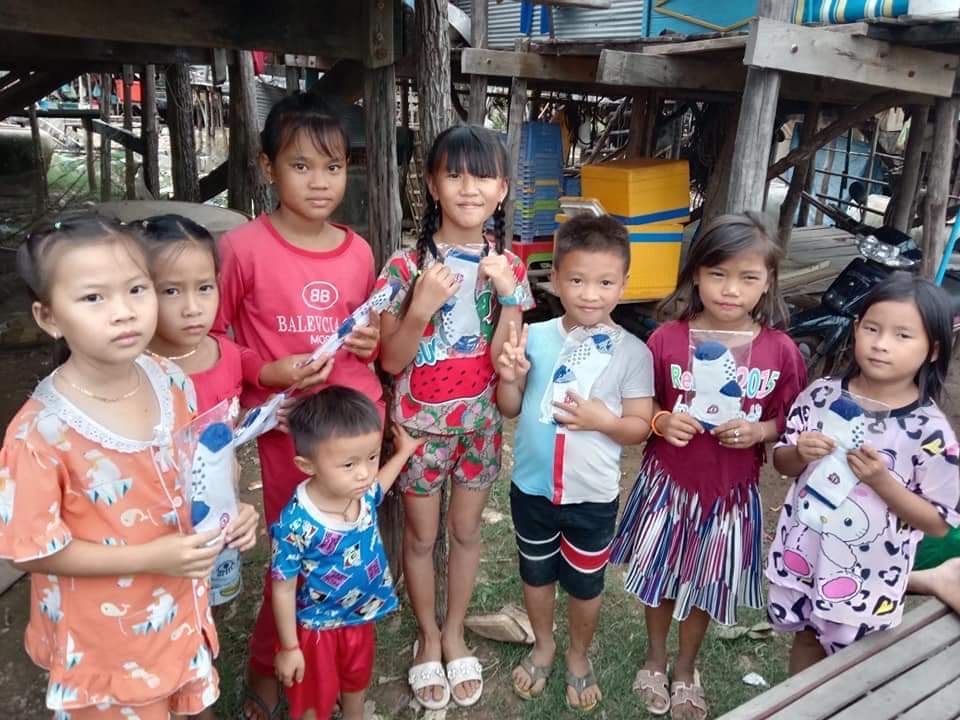
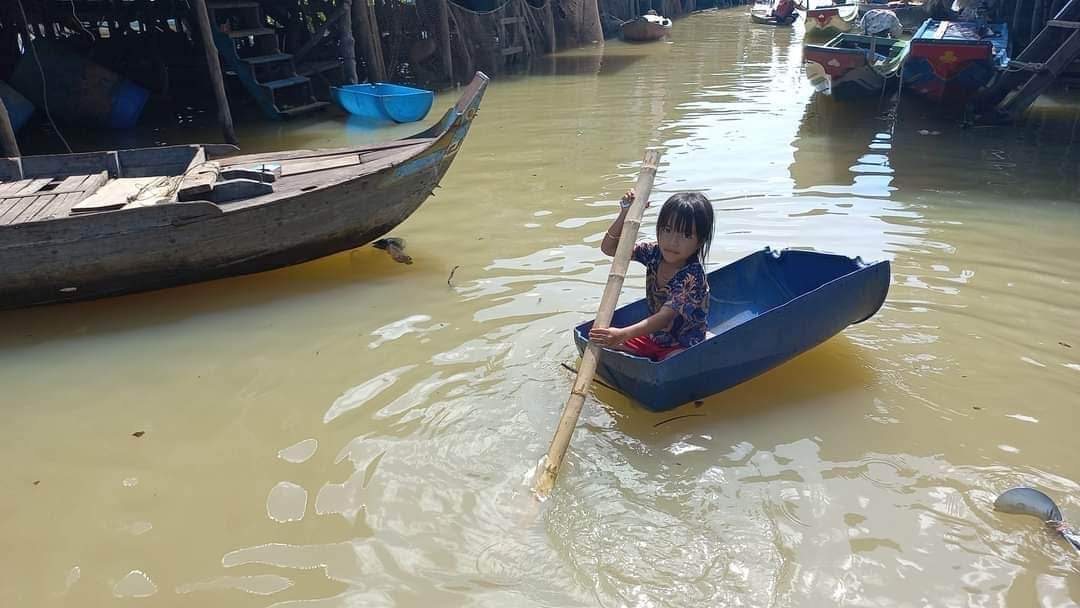
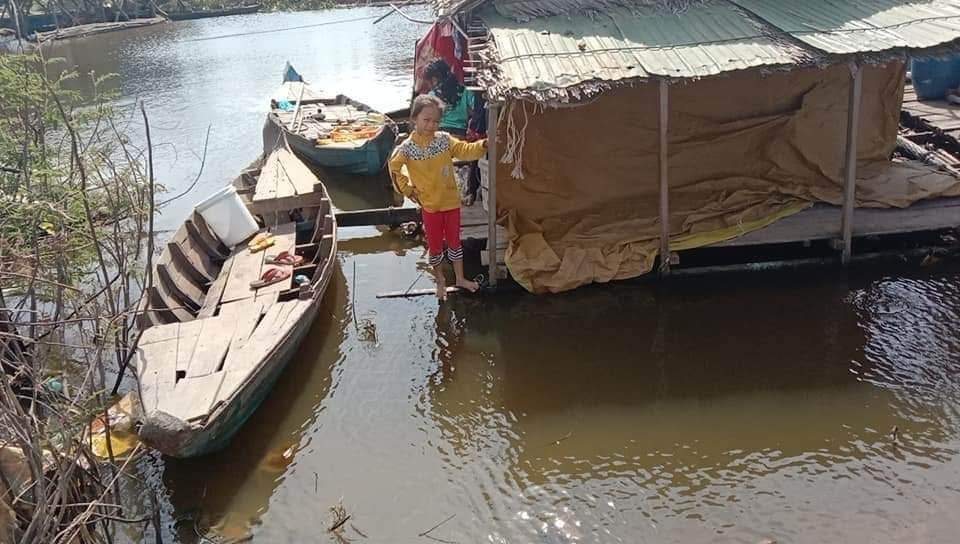
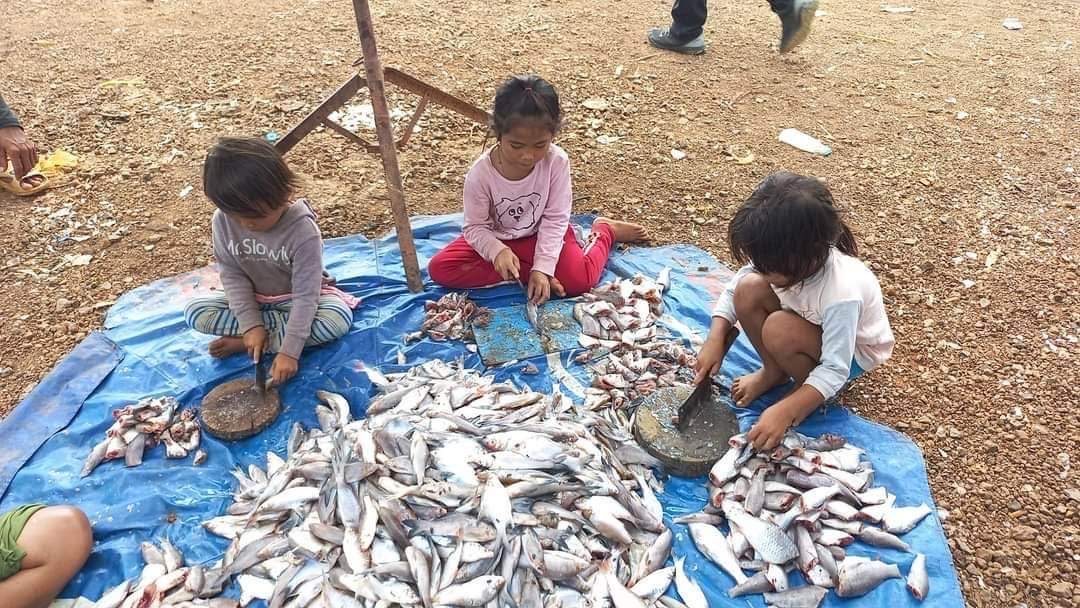
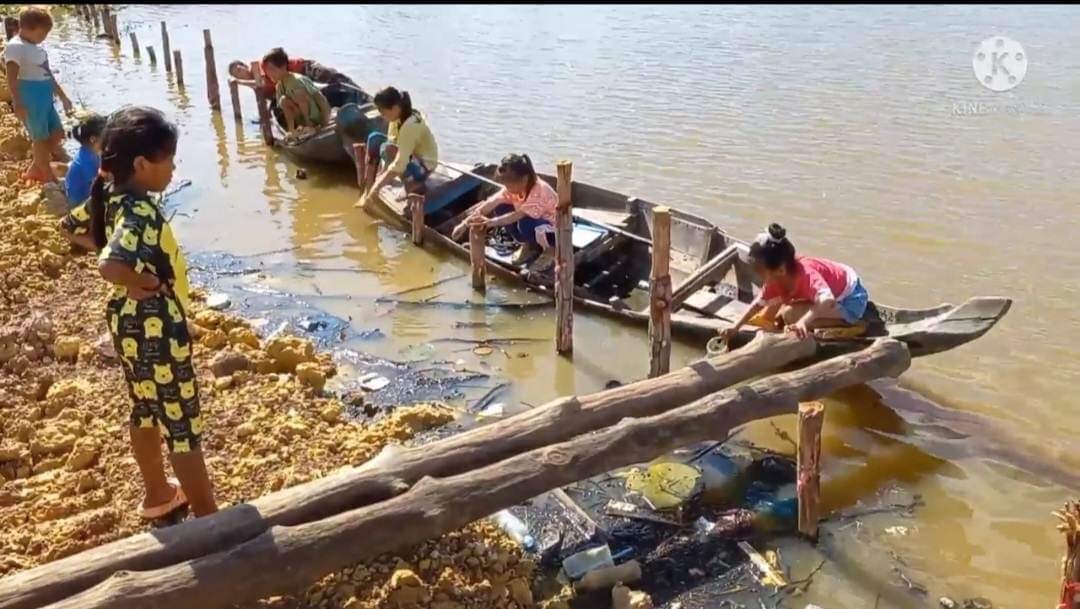
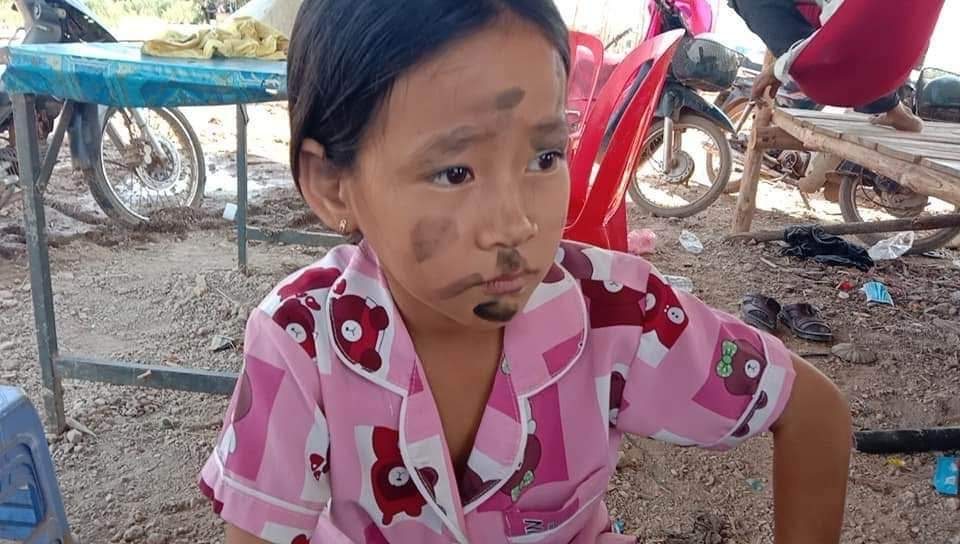
This was the whole world — floating homes on the Tonle Sap, fish to clean before breakfast, water to cross alone, and no classroom waiting on the other side.
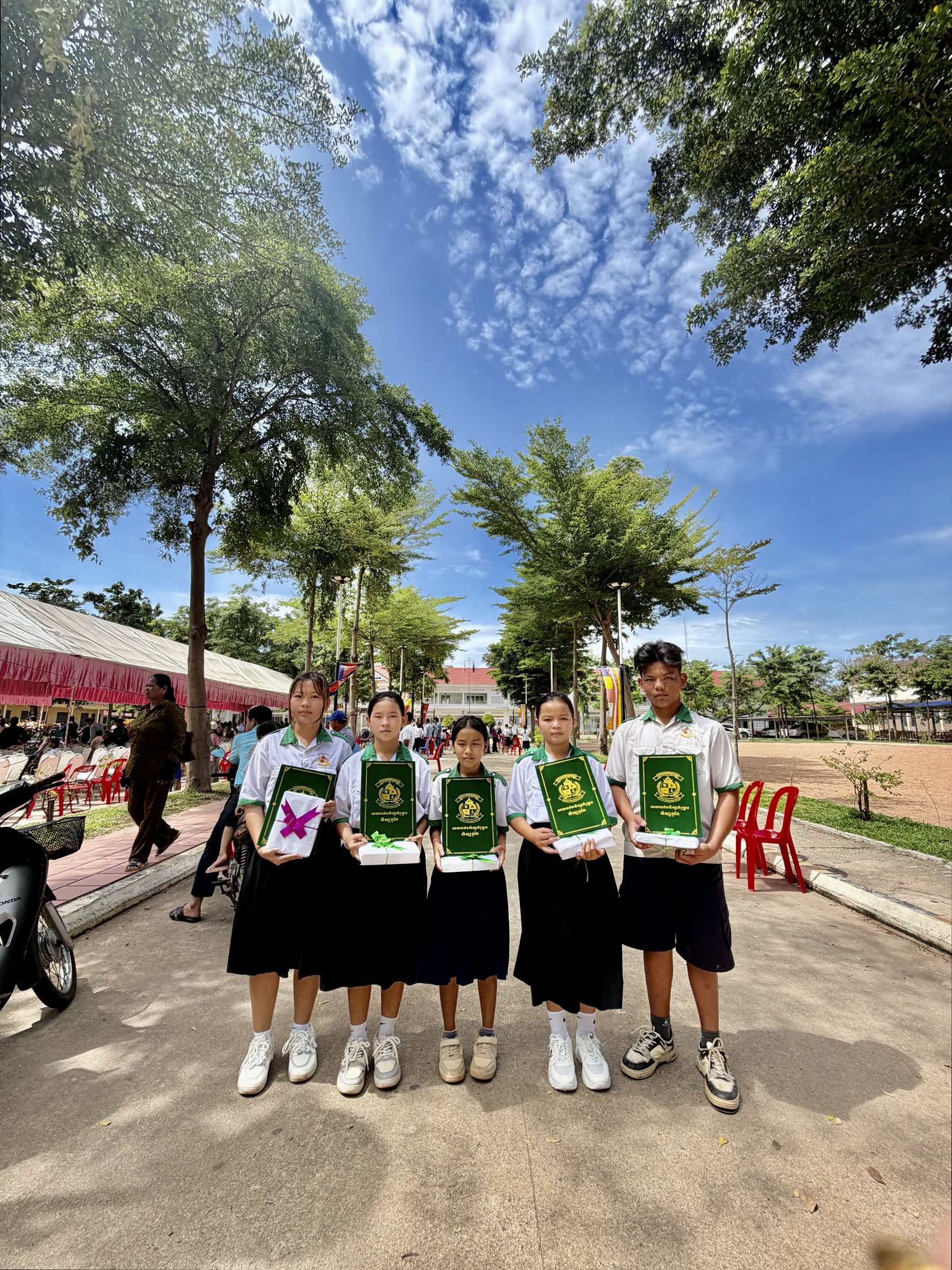
The same children. The same water. A completely different future.
By the Numbers
- 5 children honored — academic recognition at a Cambodian public school, September 2025.
- 100% now enrolled in Cambodia’s public school system.
- 0 had any access to school before IHM built in their community.
- All five began at the IHM school in Kampong Chhnang and transitioned into public education.
The story of Maly
Her mother says Maly was always the one asking questions. Why does the water rise? What is written on that sign? What is on the other side of the river?
For the first years of her life, nobody could answer her. Maly (a pseudonym, as are all the children’s names here) was born into a family with no legal documents in Kampong Chhnang — which meant no clinic, no school, and no official record that she existed at all. She spent her days along the water’s edge, helping where she could, learning whatever she could from whoever would talk to her.
She was seven the first time she sat in a classroom.
She did not know how to hold a pencil. She copied the shapes of Khmer letters over and over until her hand ached, and she stayed behind after the other children had gone home. Her teachers noticed her — not because she was the quickest, but because she would not let go of a single word until it was hers.
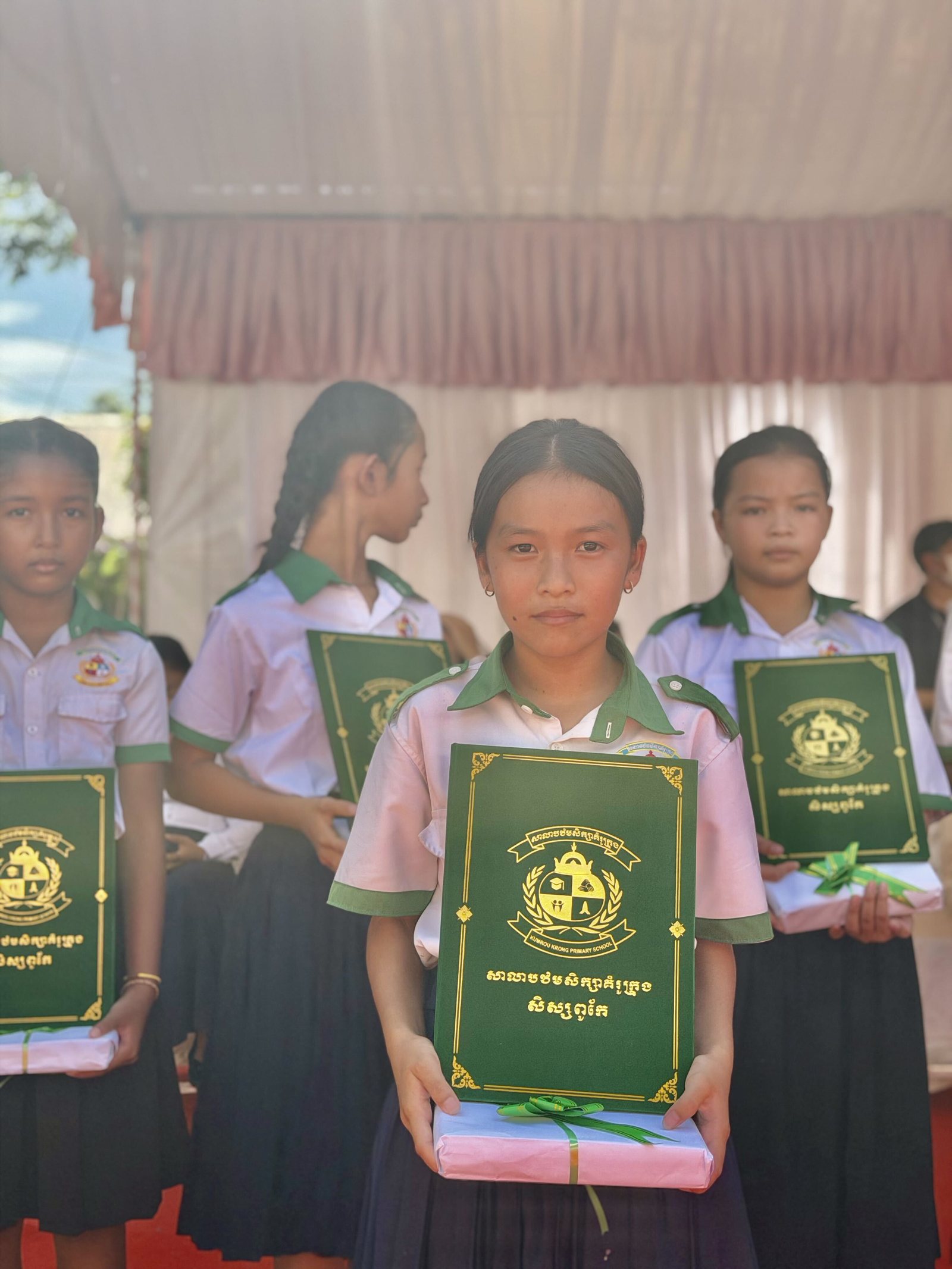
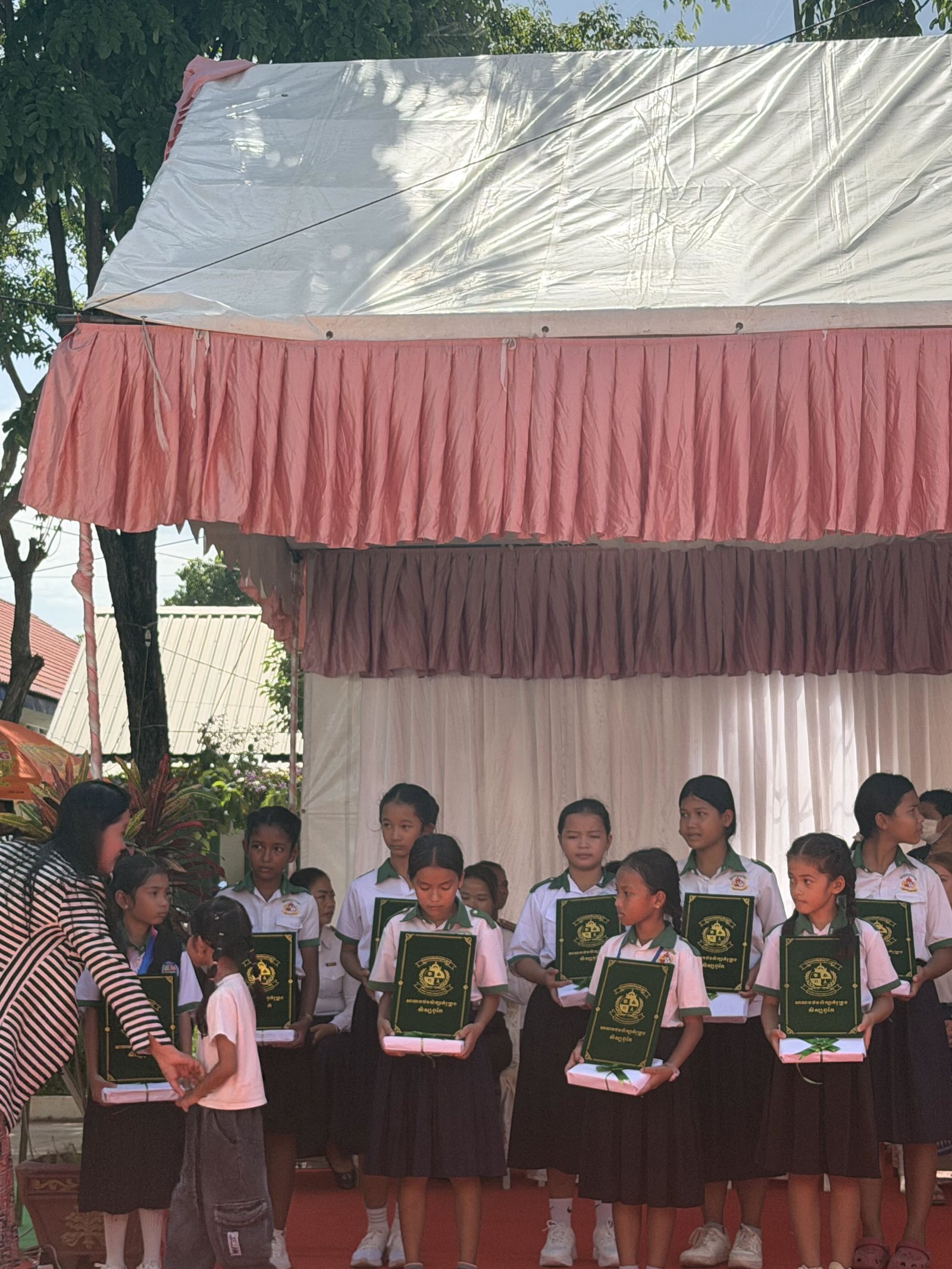
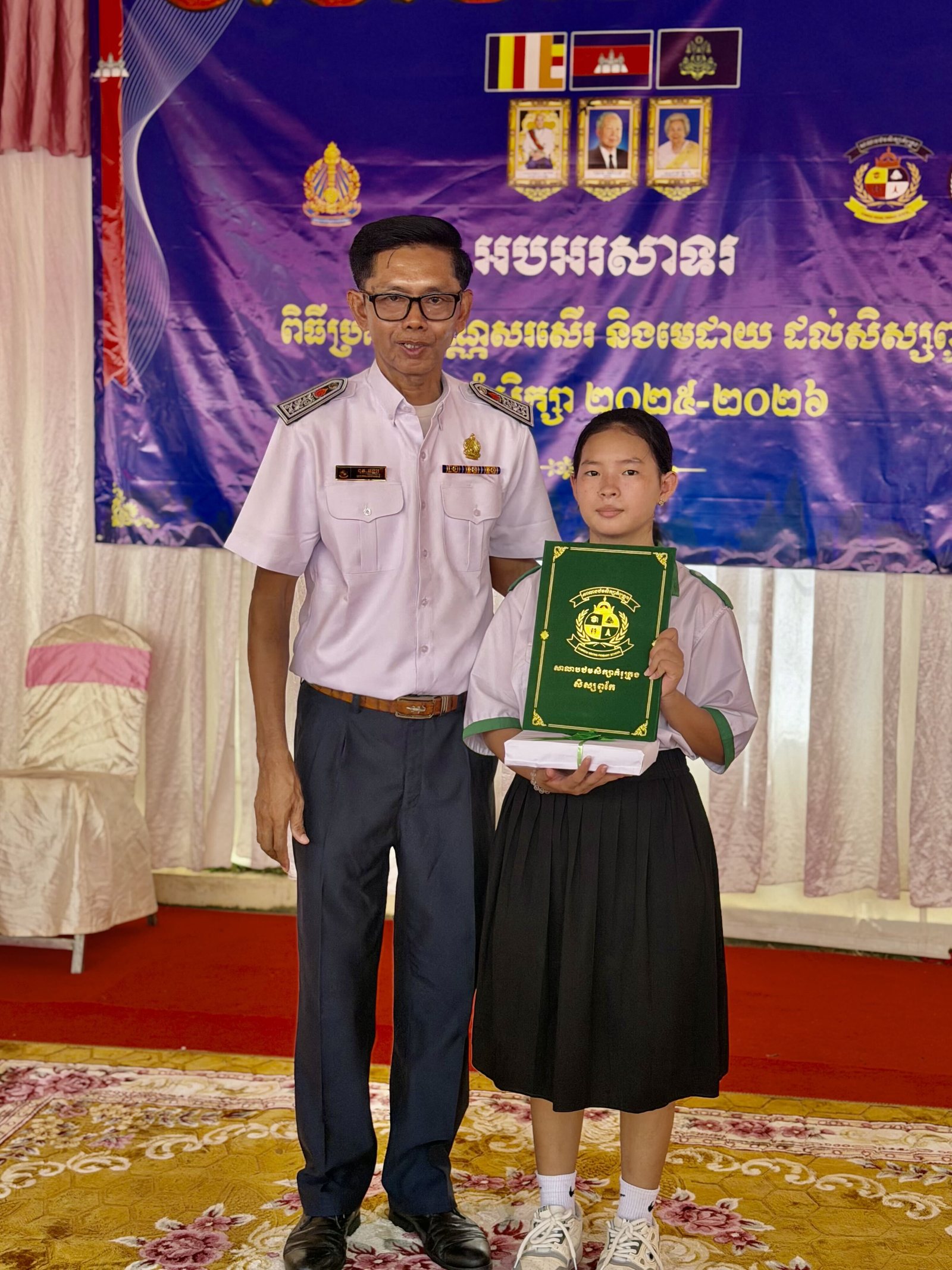
This year, Maly stood in front of her entire school and was handed a certificate of academic honor. She held it with both hands and would not put it down — not even for the photograph.
She did not walk that stage alone
Four classmates stood beside her — children from the same water, the same uncertainty, the same long odds.
Sokha
Sokha arrived unable to read a single word, and so quiet her teachers worried about her. Two years on, she is the one who stays behind to help the younger children sound out their letters. She finished at the top of her class in reading.
Dara
Dara’s family sells vegetables at the roadside. He has wanted to be a teacher since he was small, though he never said it out loud. When his name was read at the ceremony, he became the first person in his family ever to receive an academic honor.
Chenda
Chenda barely spoke for her first month at school. Her teachers gave her time and asked nothing of her. By her second year she was standing center stage at the Khmer New Year celebration, singing — smiling like she had always belonged there.
Rith
Rith is the only boy among the five honored this year. He comes from a fishing family on the Tonle Sap and knows that water better than anyone in his class. Now he wants to build things.
None of this was inevitable
There was no version of this story where these five children arrived here on their own. No moment where the door was going to open by itself.
Somewhere, someone gave — without ever knowing whose life it would land in. That gift became a classroom. The classroom became a teacher who learned their names and waited for them to finish a sentence. And that became five children on a stage, holding certificates, being applauded by a room full of people.
There are more children on that water this morning. Bright, curious, asking questions nobody has answered yet. The door stays open because you keep it open.
From them, and from all of us here — thank you.
All children’s names in this story are pseudonyms, used to protect their privacy. Read more in The Inspiring Story of Tao.